

As the seasons change along the Jersey Shore, your carpets face a new set of challenges. Fall leaves, muddy shoes, rainy weather, and eventually winter road salt can all make their way into your home. Before long, clean carpets can start looking dull, developing stubborn spots, or collecting dirt in the areas your family uses most.
For homeowners throughout Monmouth County and the surrounding New Jersey communities, a few simple habits can make a big difference in keeping carpets cleaner throughout fall and winter.
At Best Way Carpet & Tile Cleaning, we’ve spent more than 30 years helping New Jersey homeowners care for their carpets, rugs, and floors. Here are some practical ways to protect your carpets from seasonal dirt and keep them looking their best as colder weather approaches.
During warmer months, carpets often collect dust, sand, grass, and everyday household dirt. Once fall arrives, wet leaves, muddy footwear, and increased indoor activity introduce additional debris.
Winter brings another challenge: road salt and deicing products that can be tracked inside on shoes, boots, and pet paws. These materials can leave visible white marks, contribute to discoloration, and become difficult to remove if they’re ground into carpet fibers.
The good news is that prevention and prompt attention can help reduce buildup and make routine carpet care easier.
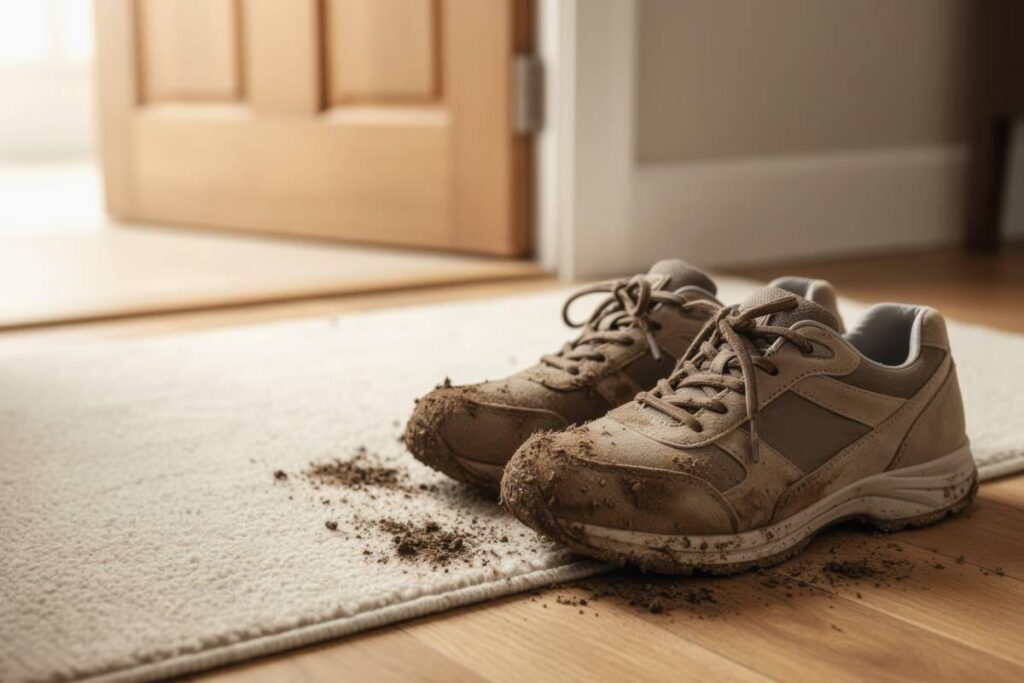
Fall rain can quickly turn walkways and yards into muddy surfaces. When that mud gets tracked onto carpet, it can leave dark marks and carry grit deep into the fibers.
Here are a few ways to limit the mess:
Place sturdy mats at entrances. Use an outdoor mat to remove loose dirt and an indoor mat to catch moisture and remaining debris.
Remove shoes near the door. A designated spot for shoes and boots helps prevent dirt from spreading throughout the house.
Clean muddy paws before pets come inside. Keep a towel near your main entrance so you can wipe off paws before your pets walk across carpeted rooms.
Vacuum high-traffic areas regularly. Entryways, hallways, stairs, and family rooms often collect the most dirt during the colder months.
If mud gets onto your carpet, resist the urge to scrub it immediately. Scrubbing wet mud can spread the stain and push dirt farther into the fibers.
Instead, gently remove any excess material and allow the remaining mud to dry. Once dry, carefully vacuum the area before treating any remaining discoloration with a carpet-safe product according to its instructions.
Always test cleaning products in an inconspicuous area first.
Colorful leaves are part of what makes autumn beautiful in New Jersey, but wet leaves and the debris they carry aren’t so welcome indoors.
Leaves can leave behind dirt, moisture, and plant residue. When these materials are tracked across carpet, they can contribute to staining and unpleasant odors if the area remains damp.
To reduce the impact:
Sweep porches, steps, and walkways regularly.
Keep entryways clear of leaves and other outdoor debris.
Use doormats at frequently used entrances.
Avoid walking across carpet with wet or dirty shoes.
Address visible stains before they become harder to remove.
Pay particular attention to entrances leading directly from your yard, driveway, or patio. These areas often receive the most outdoor traffic and can benefit from more frequent vacuuming during autumn.
If your home has area rugs near the front door or in a family room, remember to clean underneath them periodically as well. Dirt can accumulate beneath rugs, especially in areas where shoes are worn.
Once temperatures drop, road salt and other deicing products become a common problem for New Jersey homeowners.
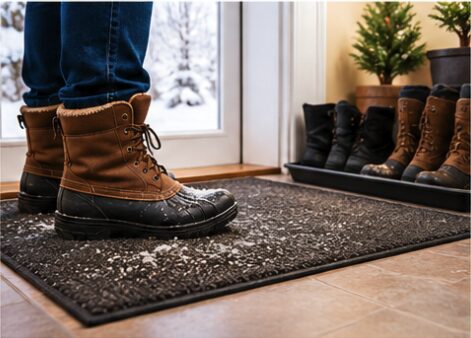
Salt and deicing residue can be carried indoors on boots, shoes, and pet paws. When moisture evaporates, white or chalky marks may remain on carpet, particularly near doorways and other high-traffic areas.
The best defense is to stop as much salt as possible before it reaches your carpet.
Before winter weather sets in, make a few simple preparations:
Keep a heavy-duty mat outside the entrance, where practical, and another inside.
Encourage family members and guests to remove wet footwear near the door.
Keep a boot tray handy for wet or salt-covered shoes.
Wipe your pets’ paws after walks on treated sidewalks or roads.
Vacuum entryways frequently to remove loose grit and debris.
These habits can help limit the amount of salt and dirt that reaches carpeted rooms.
If you notice white salt marks, avoid aggressively scrubbing the area or immediately applying a strong household cleaner.
Start by removing loose residue with a vacuum. For remaining marks, check your carpet manufacturer’s care instructions and use a carpet-safe cleaning solution appropriate for your carpet type. Blot gently with a clean, white cloth rather than rubbing the fibers.
Avoid soaking the carpet. Excess moisture can spread residue into surrounding areas and may create additional problems if the carpet and underlying materials don’t dry properly.
If the marks remain after careful spot treatment, or if they cover a large area, professional carpet cleaning may be the better option. The appropriate treatment depends on the carpet fibers, the type of residue, and the condition of the affected area.
When the weather turns cold, families often spend more time indoors. That means more foot traffic across the same carpeted spaces, along with additional dirt, dust, and debris.
Regular vacuuming helps remove loose particles before they become embedded in carpet fibers.
For most homes, vacuuming at least once a week is a reasonable starting point. Consider vacuuming more frequently in busy households, homes with pets, or areas that see heavy foot traffic.
Focus on:
Entryways and hallways
Living rooms and family rooms
Carpeted stairs
Areas where children play
Rooms where pets spend most of their time
Use a vacuum appropriate for your carpet type and follow the manufacturer’s maintenance recommendations. Empty the vacuum bin or replace the bag as needed so it can continue picking up debris effectively.
Vacuuming is an important part of carpet maintenance, but it cannot remove every type of residue or deeply embedded soil. That’s where periodic professional cleaning can help.
Carpet isn’t the only surface that collects seasonal dirt.
Area rugs placed near entrances can trap mud, grit, and winter residue. Upholstered sofas and chairs can also accumulate dirt from clothing, pets, and everyday use, especially when everyone spends more time inside.
During your seasonal cleaning routine, remember to:
Vacuum area rugs according to their care instructions.
Check the undersides of rugs for accumulated dirt or moisture.
Clean up spills promptly using appropriate methods.
Avoid using the same cleaning product on every rug or fabric without checking compatibility.
Pay attention to furniture in high-use family rooms.
Delicate, wool, antique, or specialty rugs may require particular care. When in doubt, consult the manufacturer’s instructions or a professional before attempting a deeper cleaning treatment.
Best Way Carpet & Tile Cleaning offers residential carpet and upholstery cleaning, as well as area rug cleaning services, to help homeowners maintain the surfaces they use every day
Good habits go a long way toward protecting carpets, but routine vacuuming and spot treatment have their limits.
Professional cleaning may be worth considering when you notice:
Persistent gray or dark traffic lanes in hallways and living areas
Salt marks that remain after appropriate spot treatment
Mud stains that won’t come out with careful cleaning
A generally dull appearance despite regular vacuuming
Dirt and residue accumulating in frequently used rooms
Lingering odors associated with embedded soil or pet accidents
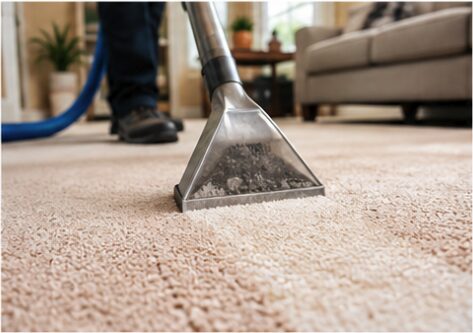
A professional cleaning can address accumulated soil that regular vacuuming doesn’t remove. The best cleaning method depends on your carpet’s construction, condition, and manufacturer’s recommendations.
At Best Way Carpet & Tile Cleaning, we provide residential carpet cleaning throughout Monmouth, Ocean, and Middlesex Counties. Our family-owned business brings more than 30 years of experience to helping New Jersey homeowners maintain cleaner carpets and refreshed living spaces.
You can learn more about our residential carpet cleaning services in New Jersey to see how we can help care for your home’s flooring.
Fall mud, wet leaves, and winter salt are part of life in New Jersey, but they don’t have to leave your carpets looking worn and dirty.
A few simple steps can help: use entryway mats, remove shoes before walking across carpet, clean muddy paws, vacuum regularly, and address spills or salt residue promptly. When dirt and stains build up beyond what routine care can handle, professional cleaning can help restore a fresher appearance.
If your carpets are ready for a seasonal refresh, Best Way Carpet & Tile Cleaning is here to help.
Contact Best Way Carpet & Tile Cleaning today for a free estimate. Call 732-671-8829 or request a quote online. We’re proud to serve homeowners throughout Monmouth, Ocean, and Middlesex Counties in New Jersey.

Carpet Cleaning Company in New Jersey Offers Reliable Services
(732) 671-8829
BestWayCleaning10@gmail.com
Middletown Township, NJ 07748